

The Science of Impact-Resistant Polyurethane Foam for Crash Protection and Defense
Impact-resistant polyurethane foam is an engineered closed-cell or open-cell cellular structure designed to function as an advanced energy-absorbing material that mitigates extreme shock forces. By undergoing controlled deformation under dynamic load, this high-performance energy-absorbing foam distributes strain evenly across a broad area, reducing peak deceleration (G-force) and dampening destructive blast or collision stress in defense, aerospace, and crash protection applications.
1. How Does Impact-Resistant Polyurethane Foam Mitigate Shock Forces?
Impact-resistant polyurethane foam mitigates shock forces by converting kinetic energy into internal strain energy through microstructural cell-wall bending, buckling, and plastic compaction. When an external load impacts the impact protection foam, the cellular matrix deforms in a highly controlled manner to manage peak force transmission. This process relies on a predictable stress-strain response divided into three distinct phases. First, the material exhibits a linear elastic region that bears initial static loads. As the load increases, the cellular walls collapse into the plateau stress region, absorbing massive kinetic energy at a relatively constant stress level without transferring peak forces to the payload. Finally, the matrix enters the densification stage, where crushed cell walls consolidate into a solid mass under high load ramps.
High-velocity dynamic impacts trigger strain-rate sensitivity, causing impact-resistant polyurethane foam to stiffen and absorb energy more efficiently under fast impact speeds compared to slow static loads. Defense systems utilize this strain-rate response because the energy-absorbing foam yields predictably during high-velocity collisions or blasts. Engineers select this impact-absorbing foam to shield sensitive payloads from extreme acceleration spikes. By tuning cell wall thickness, chemical cross-linking, and density, manufacturers tailor the plateau stress level to match precise impact mitigation profiles. This mechanical behavior makes the shock absorbing material foam a primary choice for high-consequence energy dissipation systems.
2. Rigid Polyurethane Foam vs. Flexible Cellular Structures for Extreme Environments
Selecting impact-resistant polyurethane foam requires evaluating whether a rigid or flexible cellular structure fits the dynamic loading requirements of the application.
A. Mechanical Behavior of Rigid Polyurethane Foam vs. Resilient Systems
- Rigid Polyurethane Foam: Features high compressive strength and a closed-cell morphology designed for permanent plastic energy absorption. It provides single-impact protection in missile canisters, crash impact limiters, and radioactive material packaging.
- Flexible Systems: Features resilient, open-cell impact-absorbing foam formulations built for multi-impact protection, spring-damper shock isolation, and continuous vibration damping.
B. High-Density Foam vs. Low-Density Performance Metrics
- High-Density Foam: Formulations weighing up to 40 lbs/ft³ deliver structural ballast, heavy equipment packaging support, projectile attenuation, and heavy load-bearing impact protection foam performance.
- Low-Density Systems: Shock-absorbing foam material ranging from 3 to 5 lbs/ft³ protects delicate payloads requiring low static stress limits between 0.1 and 2.0 psi.
C. Structural & Environmental Resilience Factors
- Closed-cell rigid polyurethane foam prevents water absorption, resists chemical solvents, and eliminates biological decay.
- Special formulations meet defense standards like MIL-PRF-26514, providing flame retardancy, low toxicity, and intumescent charring to shield contents from heat and thermal radiation.
3. Why Is Shock-Absorbing Material Foam Critical In Defense And Aerospace Applications?
Defense and aerospace platforms rely on impact-resistant polyurethane foam to isolate mission-critical assets from destructive kinetic shocks, extreme blasts, and harsh operating environments.
Submarine Launch Tubes & Missile Silo Isolation Using High-Density Foam
Underground launch silos and naval submarines deploy high-density foam and low-density flexible formulations like General Plastics LAST-A-FOAM® EF-4000 energy absorption series as spring-damper isolation systems. These specialized shock-absorbing material foam pads support missile structures during transport and launch sequences, dampening dynamic operational vibrations. During seismic events or nearby detonations, impact-resistant polyurethane foam absorbs extreme G-forces to protect guidance systems on missile nose cones and launching assemblies.
Hazardous Transport Packaging & Nuclear Shielding via Rigid Polyurethane Foam
Transporting sensitive defense payloads and hazardous materials requires packaging that survives severe drops and collisions. Specialized rigid polyurethane foam, such as LAST-A-FOAM® FR-3700, satisfies rigorous crash test protocols, including 30-foot drop-test impacts and 1,475°F thermal burn requirements. The impact protection foam acts as a sacrificial kinetic crusher during an accident while forming an insulating intumescent char layer that protects contents from heat and fire.
Military Explosives Dunnage & Energy Absorbing Foam for Sensitive Avionics
Munitions, guidance systems, and unmanned aerial vehicle payloads face continuous vibration and impact shock during tactical transit. Custom-machined or molded energy-absorbing foam dunnage holds sensitive components securely in shipping containers. Impact-absorbing foam liners eliminate part-to-part contact, insulate electronics against temperature swings, and mitigate explosive blast-wave energy inside barricaded storage areas. Learn more about how shock-absorbing foam protects industrial equipment during high-impact transport cycles.
Aircraft & Vehicle Crash Mitigation with Advanced Energy-Absorbing Material
Modern military airframes, armored vehicles, and helicopter subfloors integrate energy-absorbing material systems within critical crush zones. Placing rigid polyurethane foam beneath pilot seating and subfloor frames dissipates vertical crash forces during hard landings or mine blasts. Modern systems rely on federal crashworthiness and dynamic impact mitigation research to design cellular crush zones that collapse predictably to absorb kinetic energy, reducing peak deceleration forces on crew members and preventing airframe destruction. Discover how engineers implement aerospace composite tooling with LAST-A-FOAM® FR-4500 to optimize structural safety and weight.
4. Key Engineering Criteria for Specifying Impact Protection Foam Solutions
Selecting an impact-absorbing foam or energy-absorbing material requires analyzing specific mechanical, thermal, and physical parameters: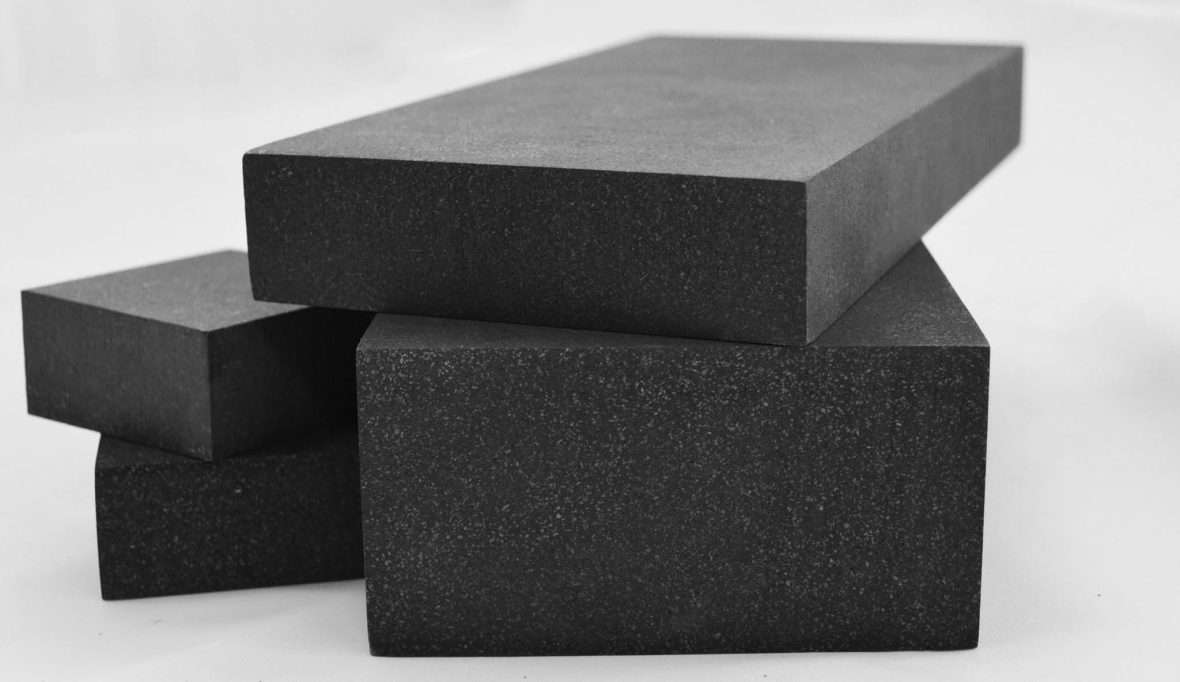
- Plateau Stress and Load-Deflection Profile: Ensure a flat load-deflection curve in your impact protection foam (such as LAST-A-FOAM® EF-4000) to keep transferred kinetic force below critical payload stress limits.
- Density Selection (Pounds per Cubic Foot): Match the material density—ranging from light 3 lbs/ft³ flexible foams to structural high-density foam up to 40 lbs/ft³—to the expected energy levels of the impact.
- Static Stress Operating Range: Verify the pre-impact static load capacity of the shock-absorbing foam material, ensuring ideal performance for light static stress loads.
- Thermal Performance & Flame Retardancy: Confirm that the chosen rigid polyurethane foam complies with aerospace BMS standards or military specifications like MIL-F-83671 and BMS 8-133.
- Environmental Stability: Select closed-cell, impact-resistant polyurethane foam formulations that resist water absorption, military fuels, oils, and biological growth over decades of storage.
- Machinability and Custom Molding: Utilize materials that allow precise CNC machining or direct pour-in-place molding to fit complex defense housing profiles.
5. How Does Polyurethane Performance Compare With Alternative Energy Absorbing Materials?
| Feature / Property | Impact Resistant Polyurethane Foam | Expanded Polystyrene (EPS) | Rubber & Elastomers | Metal Honeycomb |
| Primary Material Type | Rigid Polyurethane Foam & High-Density Foam | Molded Polystyrene | Vulcanized Elastomers | Aluminum / Steel Matrix |
| Energy Absorption Efficiency | High (Flat load-deflection as an energy-absorbing foam) | Moderate | Low (Rebounds kinetic energy back into payload) | High (Unidirectional only) |
| Flame & Heat Resistance | Superior (Intumescent formulations for impact protection foam) | Poor (Melts easily) | Moderate | High |
| Multi-Impact vs. Single Impact | Versatile (Single-use crushing rigid foam & resilient impact absorbing foam) | Single impact only | Multi-impact shock-absorbing material | Single impact only |
| Strength-to-Weight Ratio | Exceptional across all density ranges | Fair | Low (Heavy weight) | High |
| Chemical & Moisture Resistance | Excellent (Closed-cell energy-absorbing material) | Degrades with organic solvents | Varies | Prone to corrosion |
Engineering Safety into the Impact Zone and the Future of Polyurethane Energy Absorption
Tailored impact-resistant polyurethane foam remains the gold standard for high-consequence energy dissipation, blast mitigation, and crash protection across the defense, nuclear, and aerospace sectors. Its uniform cell structure, isotropic load response, and resistance to environmental degradation provide consistent protection for critical payloads. Ongoing research expands these capabilities through bio-based polyurethane chemistry, non-linear stress-strain tuning, and advanced lightweight composite energy-absorbing foam matrices.
Engineers and systems designers can partner with General Plastics’ material scientists to develop custom LAST-A-FOAM® formulations tailored to exact performance specifications. Custom densities, flame-retardant additives, and precision CNC machining capabilities ensure your system meets strict military and aerospace requirements. Contact General Plastics engineers today to discuss your technical requirements and request material testing samples for your next project.